
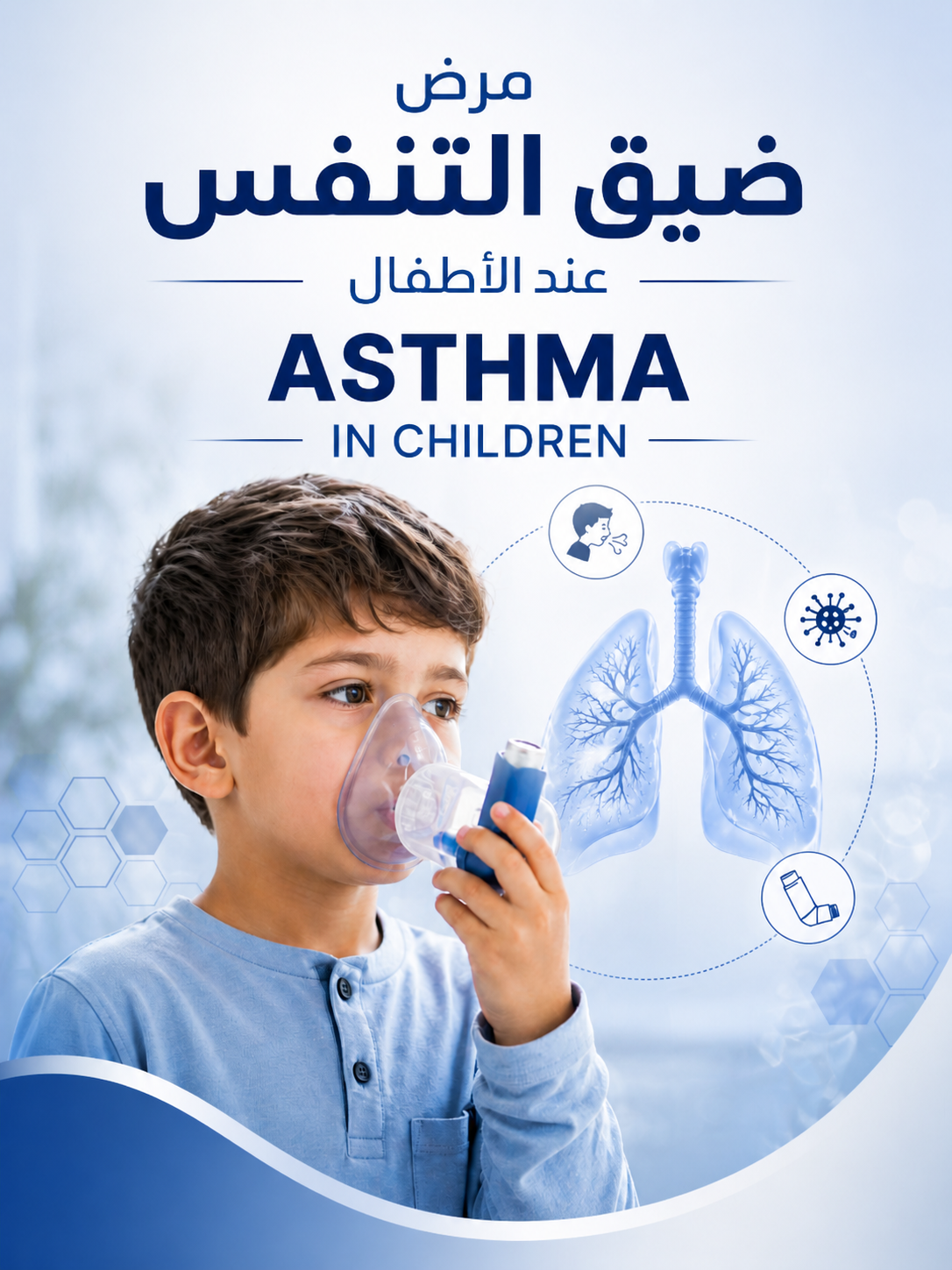
Shortness of breath in children
The relationship between diaphragmatic hernia and shortness of breath in children
Abdominal organs—including the stomach—may herniate into the chest cavity through a diaphragmatic defect, causing pressure on the lungs. This limits the lungs’ ability to function properly, leading to shortness of breath. The severity of breathing difficulty increases as more of the stomach moves into the chest.
In addition, there is also a relationship between gastroesophageal reflux and diaphragmatic hernia, as stomach acid may flow back upward through the hernia opening.
Symptoms of diaphragmatic hernia and shortness of breath
In addition to shortness of breath, symptoms of diaphragmatic hernia in children include:
- Difficulty swallowing
- Frequent crying due to chest pain
- Vomiting
- Loss of appetite
These symptoms worsen as the size of the hernia increases. Therefore, early treatment is essential to ensure normal growth and maintain the child’s health.
Causes of diaphragmatic hernia and shortness of breath
As mentioned earlier, diaphragmatic hernia is a congenital defect that may be detected during pregnancy or after birth. In some cases, it may occur following previous esophageal surgery in the child.
Several factors may increase the risk of developing a diaphragmatic hernia, including chronic cough, constipation, and repeated vomiting.
Complications of untreated diaphragmatic hernia and shortness of breath
Delaying treatment of diaphragmatic hernia in children can lead to serious complications, in addition to persistent breathing difficulties, including:
- Gastritis
- Intestinal obstruction
- Esophagitis, which may later cause bleeding and swallowing difficulties
Surgery is the best treatment option for diaphragmatic hernia and shortness of breath
Diaphragmatic hernia repair surgery is the only definitive treatment in children. It is often performed laparoscopically using a thin flexible tube equipped with a camera and light source, allowing the surgeon to clearly visualize internal organs during the procedure.
Under general anesthesia, the procedure is performed as follows:
- Several small incisions are made in the chest area to insert the endoscope and surgical instruments.
- The herniated part of the stomach is returned to its normal position in the abdominal cavity.
- The defect is closed using surgical sutures or mesh, depending on the size of the hernia.
Complications from this surgery are rare, as it is a minimally invasive procedure. However, it should be performed by an experienced pediatric surgeon to avoid potential risks and complications.
Important post-operative instructions after diaphragmatic hernia repair
Doctors provide parents with several instructions during the child’s recovery period, including:
- Carefully monitoring the wound and changing dressings as directed by the physician
- Administering medications on time and regularly
- Limiting the child’s movement, especially in the first days after surgery
- Attending regular follow-up visits to ensure proper healing and rule out complications
Regarding diet after surgery, the treating physician determines the appropriate nutritional plan based on the child’s age and health condition. Parents should strictly follow these instructions to ensure full recovery.
 26 Apr 2026